
Topic(s): Communities & Neighborhood, Food & Meal Taking, Food and Nutrition, Identity, Travel
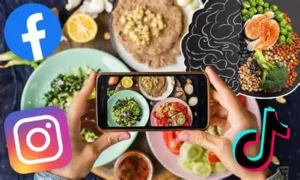
Social media shape what we think about cuisine and culture.
Authentic digital media both reflects and shapes cultural perspectives.
Effective language learners interpret, discuss, and create digital texts to communicate meaningfully across cultures.
How do digital media shape our understanding of language, culture, and authenticity?
To what extent do social media posts authentically represent culture?
How can digital tools help us communicate across cultures responsibly and effectively?
A restaurant wants to attract international visitors while maintaining cultural authenticity.
https://www.disfrutarbarcelona.com/
Instagram posts featuring creative dishes, plating, and culinary innovation
For broader cultural comparison, students could analyze:
Restaurant websites and menus often include captions, photos, and cultural narratives.
Google Maps restaurant photos and reviews
YouTube food channels from Spanish-speaking countries
TikTok food creators from Spain and Latin America
Index: Sort foods into categories (fruit, dessert, drink, entrée); identify familiar words, cognates, and emojis.
Inquire: Generate simple questions (e.g., ¿Qué es? ¿Dónde está? ¿Cuánto cuesta?).
Improve: Connect foods or restaurant practices to students' own experiences ("I've seen..." "We eat...").
Infer: Infer whether the restaurant is casual or formal, whether the meal is breakfast/lunch/dinner/dessert, and who might visit based on photos and symbols.
Sort familiar vocabulary and visuals.
Ask simple factual questions.
Make personal connections to familiar foods and experiences.
Infer basic meaning from visuals and context.
Exchange simple information with a partner about the two posts using learned vocabulary.
Ask and answer questions about favorite foods and what students notice.
Compare categories ("I see fruit." "This restaurant has dessert.").
Argue: State one inference and explain it with a simple reason.
Adopt: exchange info with a partner about two restaurant social media posts.
Ask and Answer: question favorite foods and what I notice in restaurant posts.
Assess: compare foods, categories, and simple features of two restaurant posts.
Argue: state a simple inference about a restaurant or food
Students use new authentic resources from countries of their choice.
Create an Instagram-style post for a favorite meal using one image, one simple caption, emojis, and hashtags.
Group foods into categories and explain one simple reason for the choice.
Expressive: Create an Instagram to communicate basic information.
Transactional: Organize foods into simple categories and explain my choices using familiar words and phrases.
https://lidobarcelona.com/
archived food imagery and culinary storytelling
social media featuring tapas and chef-created dishe
@tresde_restaurante
Index: Organize evidence into themes (traditional foods, local ingredients, persuasive language, target audience, cultural references).
Inquire: Write questions that require evidence (e.g., Why did the restaurant feature this dish? Who is the intended customer?).
Improve: Connect the post to previous learning about Spanish-speaking cultures, geography, holidays, or regional cuisine to revise initial interpretations.
Infer: Infer the restaurant's values, intended audience, and marketing goals.
Organize information by cultural and communicative themes.
Generate interpretive questions supported by evidence.
Connect previous learning about culture and language to refine interpretations.
Infer audience, purpose, and cultural values using evidence.
Discuss which restaurant best represents Spanish culture using evidence from the posts.
Ask follow-up questions to clarify classmates' opinions.
Compare and refine interpretations after hearing others' ideas.
Use categorization charts to support recommendations and justify inferences.
Adopt: support my opinion with evidence from the social media posts.
Ask and Answer: clarify and better understand their interpretations and opinions.
Agree: compare my interpretation with others' ideas, explain similarities and differences.
Argue: recommend a restaurant and justify my reasons.
Students use new authentic resources from countries of their choice. Produce a short digital restaurant recommendation (video, infographic, or narrated slide).
Organize information into categories (food, atmosphere, audience, cultural significance).
Create an original song or rap that recommends a restaurant. Include information about the food, atmosphere, audience, and cultural significance. Use evidence from the Instagram posts and explain why someone should visit the restaurant.
Transactional: Organize information about the food, atmosphere, audience, and cultural significance to support my recommendation.
Poetic: create an original song or rap to recommend a restaurant using evidence from the Instagram posts.
https://tensbarcelona.com/es/
Traditional tapas vs. modern gastronomy; branding and cultural identity
Index: Analyze and classify evidence into cultural traditions, globalization, sustainability, branding, tourism, and culinary innovation.
Inquire: Develop questions that distinguish between factual and evaluative questions.
Improve: Revise using knowledge of Spanish gastronomy, regional history, Michelin culture; explain how prior knowledge deepens understanding.
Infer: Draw conclusions about cultural identity, authenticity, socioeconomic audience, and omitted perspectives.
Classify and critique cultural, rhetorical, and social patterns.
Develop analytical and researchable questions that drive inquiry.
Synthesize disciplinary knowledge to reinterpret and critique authentic texts.
Draw evidence-based conclusions about identity, authenticity, and representation.
Conduct a structured academic discussion: To what extent do Instagram posts represent authentic Spanish food culture?
Students must ask probing questions, challenge interpretations respectfully, and support claims with evidence.
Use major time frames intentionally:
• Past: How has restaurant marketing changed?
• Present: How do restaurants currently construct cultural identity online?
• Future: How might AI, sustainability, or tourism change restaurant marketing?
Revise positions as new evidence emerges during discussion.
Adopt: participate in a structured discussion about the extent to which Instagram posts represent authentic Spanish food culture, supporting my ideas with evidence and examples.
Ask and Answer: challenge interpretations respectfully, and respond to others by clarifying, expanding, or defending my ideas with evidence.
Agree: compare perspectives, evaluate new evidence, and revise my position as the discussion develops.
Argue: defend my conclusions about restaurant marketing and cultural representation by using evidence in all major time frames.
Students use new authentic resources from countries of their choice. Create a multimedia cultural analysis (podcast, digital article, website, or video essay) for international travelers.
Organize ideas into thematic categories and evaluate the restaurants' marketing strategies.
Narrate and describe across major time frames:
• Past: How has Spanish cuisine or restaurant marketing evolved?
• Present: How do these posts represent Spanish culture today?
• Future: How should the restaurants adapt
Transactional: Create a multimedia cultural analysis that evaluates how restaurants represent Spanish culture using evidence from authentic social media posts.
Explain how restaurant marketing has changed over time, how it represents culture today, and how it may change to maintain authenticity.
Suggested Digital Tools
Hashtag searches:
#comidaespañola
#gastronomíaespañola
#tapas
#paella
#cocinaespañola
#comidam
Canva
Adobe Express
Google Slides
Screencastify/Loom
Google Drawings
Padlet
Genially
Flip
Soundtrap
WeVideo or Clipchamp